
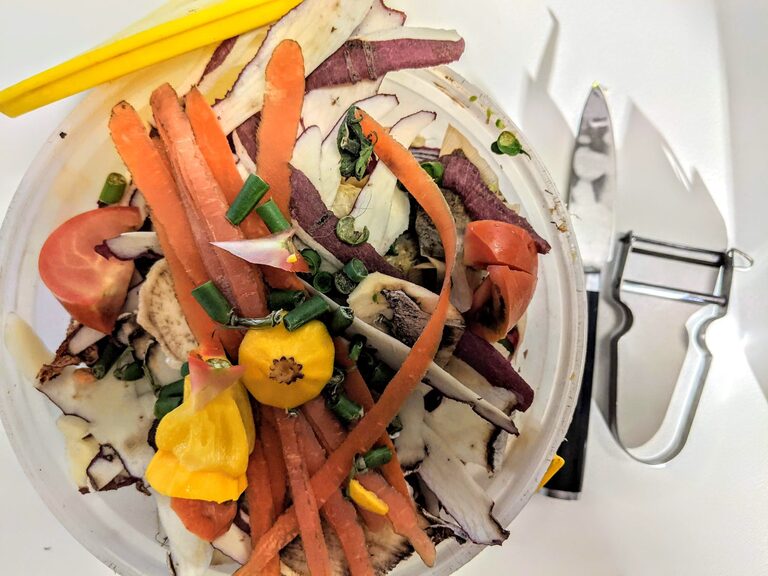
Reducing food waste at home is a win-win for your wallet and the planet. By adopting a few thoughtful habits in the kitchen, you can minimize the amount of food that ends up in the trash, conserve resources, and enjoy fresher meals. This guide shares effective strategies to help you get started on reducing food waste with ease.
Why Reducing Food Waste Matters
Food waste contributes significantly to environmental problems like greenhouse gas emissions and unnecessary use of water and energy. Plus, food that is thrown away means money spent that goes down the drain. By managing food smartly at home, you can make a positive impact and improve your household budget.
Plan Your Meals Thoughtfully
Create Weekly Meal Plans
Planning your meals ahead helps you buy only what you need. Start by outlining breakfasts, lunches, dinners, and snacks for the week. Consider what ingredients overlap across meals to make shopping more efficient.
Make a Detailed Shopping List
Using your meal plan, write a shopping list to prevent impulse buys. Stick to the list while at the store to avoid picking up items you might not use before they spoil.
Store Food Properly
Understand Storage Needs
Different foods last longer when stored the right way. For example, leafy greens stay crisp in the fridge when wrapped in paper towels inside an airtight container, while potatoes prefer a cool, dark place.
Use Clear Containers
Storing leftovers and prepped ingredients in clear containers makes it easier to see what you have, so nothing gets forgotten at the back of the fridge.
Use Leftovers Creatively
Repurpose Meals
Transform leftovers into new dishes. For instance, roast chicken can become chicken salad, or extra veggies can be added to soups or stir-fries.
Freeze Extras
If you cook in bulk, portion out extras and freeze them. This not only preserves the food but also provides quick meals for busy days.
Practice Portion Control
Serve Smaller Amounts
Start with smaller servings to avoid plate waste. If still hungry, it’s easy to get more rather than throwing away unwanted food.
Use Smaller Plates
Research shows smaller plates can lead to consuming less food, which helps reduce uneaten food going to waste.
Check Dates and Use Sensory Cues
Understand Labels
“Best by” or “use by” dates can be confusing. These dates often indicate peak quality rather than safety. Use your senses—look, smell, and taste—to check if food is still good.
Rotate Stock
Adopt “first in, first out” by placing newer groceries behind older ones. This encourages using older items before they spoil.
Compost Food Scraps
Collect Organic Waste
If food scraps cannot be eaten or saved, composting is a great way to return nutrients to the soil. Collect fruit peels, vegetable scraps, coffee grounds, and eggshells for compost.
Use Kitchen Compost Bins
Keep a small compost bin in your kitchen for convenience. When it’s full, transfer it to an outdoor compost pile or municipal compost pickup if available.
Shop Smart to Reduce Waste
Buy Loose Produce
Buying loose fruits and vegetables allows you to purchase only the quantity you need, reducing the chance of spoilage.
Avoid Bulk Unless Certain
While buying in bulk can save money, it only works if you use the food before it expires. Be cautious with bulk purchases of perishable items.
Educate and Involve the Household
Share Waste Reduction Goals
Make food waste reduction a family effort. Share information and encourage everyone to take part in mindful shopping, cooking, and eating.
Teach Kids About Food Value
Involving children in meal prep and explaining where food comes from can inspire respect and reduce waste.
Final Thoughts
Reducing food waste at home may require some changes initially, but the benefits soon become clear. Less waste means more savings, fresher meals, and a smaller environmental footprint. Start with one or two strategies and gradually build habits that turn into a sustainable lifestyle. Every bit counts when it comes to making a difference with the food we consume.
By embracing meal planning, proper storage, creative use of leftovers, and mindful shopping, you can enjoy good food while minimizing waste. Small steps today can lead to lasting positive changes for your family and the planet.