
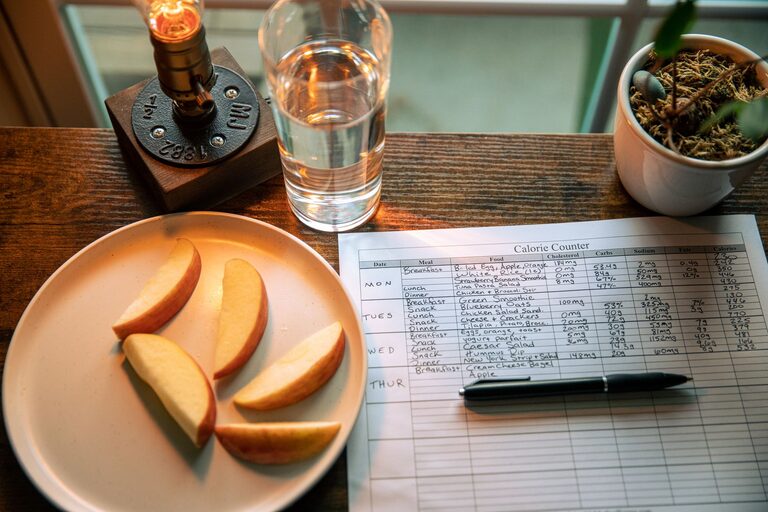
Planning balanced meals doesn’t have to be a source of stress. Many people want to eat healthfully but feel overwhelmed by the thought of creating meals that are both nutritious and enjoyable. The good news is that with some simple strategies and a bit of organization, you can plan balanced meals that satisfy your hunger, support your health, and fit your schedule. In this post, we will explore practical steps to make meal planning easy and stress-free.
What Does a Balanced Meal Look Like?
Before diving into meal planning, it’s helpful to understand what a balanced meal includes. Generally, a balanced meal contains:
– Protein: Helps build and repair tissues (e.g., chicken, beans, tofu, fish).
– Carbohydrates: Provide energy (e.g., whole grains, potatoes, fruits).
– Healthy Fats: Support cell function and satiety (e.g., nuts, olive oil, avocado).
– Vegetables: Provide fiber, vitamins, and minerals.
– Fruit (optional): Adds natural sweetness and additional nutrients.
– Water: Staying hydrated is essential alongside meals.
Balancing these elements in your meals ensures your body receives the nutrients it needs without excess calories or missing key food groups.
Step 1: Start with a Simple Meal Template
Creating a meal template can simplify your shopping and cooking. For example:
– Protein: Choose one or two sources per week.
– Vegetables: Pick 3-4 types that you enjoy.
– Carbohydrates: Include whole grains or starchy vegetables.
– Fats: Think about dressings, oils, or small portions of nuts.
A sample dinner might be grilled chicken, roasted broccoli, quinoa, and a drizzle of olive oil.
Step 2: Plan Ahead, But Stay Flexible
Planning meals ahead can take much of the daily guesswork out of cooking. Here’s how to do it with ease:
– Create a Weekly Meal Plan: Outline breakfasts, lunches, dinners, and snacks.
– Use Leftovers Wisely: Plan meals that allow leftovers to be used in creative ways, reducing waste and saving time.
– Shop Smart: Make a grocery list based on your meal plan to avoid impulse buys.
Remember: flexibility is key. Life happens, and it’s okay to swap meals or eat out occasionally.
Step 3: Keep Your Pantry and Fridge Stocked Smartly
Having staple ingredients on hand makes it easier to throw together balanced meals quickly. Consider stocking:
– Canned beans or lentils
– Frozen vegetables and fruits
– Whole grains like brown rice or oats
– Healthy fats such as olive oil or nut butters
– Basic spices and herbs for flavor
This way, you’ll have a foundation for balanced meals even on busy days.
Step 4: Use Time-Saving Cooking Techniques
Cooking doesn’t have to take hours. Some tips to save time include:
– Batch Cooking: Prepare larger portions and freeze extras for future meals.
– One-Pan Dishes: Roast or sauté protein, vegetables, and grains together.
– Slow Cooker or Instant Pot: Set it up in the morning and come home to ready-made meals.
– Pre-Cut Veggies: Buying pre-cut or chopping vegetables in advance can speed up cooking.
Step 5: Make Meals Enjoyable and Varied
Eating the same foods repeatedly can become boring. To keep meals interesting:
– Explore different herbs, spices, and sauces.
– Try new recipes or cuisines.
– Incorporate seasonal produce for fresh flavors.
– Balance textures and colors on your plate.
Enjoying your meals helps you stick with balanced eating habits long term.
Quick Tips to Remember
– Don’t aim for perfection; it’s about progress and consistency.
– Include a variety of foods to get a broad range of nutrients.
– Drink water with meals and throughout the day.
– Listen to your hunger and fullness cues.
– Plan for snacks like nuts, fruit, or yogurt to keep energy steady.
Sample Balanced Meal Ideas
– Breakfast: Greek yogurt with berries, a sprinkle of granola, and a handful of nuts.
– Lunch: Quinoa salad with chickpeas, diced vegetables, and a lemon-tahini dressing.
– Dinner: Baked salmon, steamed asparagus, and roasted sweet potatoes.
– Snack: Apple slices with almond butter.
Final Thoughts
Planning balanced meals doesn’t need to be complicated or stressful. By understanding what a balanced meal includes, preparing simple meal templates, shopping smart, and using time-saving cooking methods, you can enjoy nutritious meals every day. Remember, small changes add up to a healthier lifestyle. Start with these steps, and you’ll find meal planning becomes easier and more enjoyable over time.