
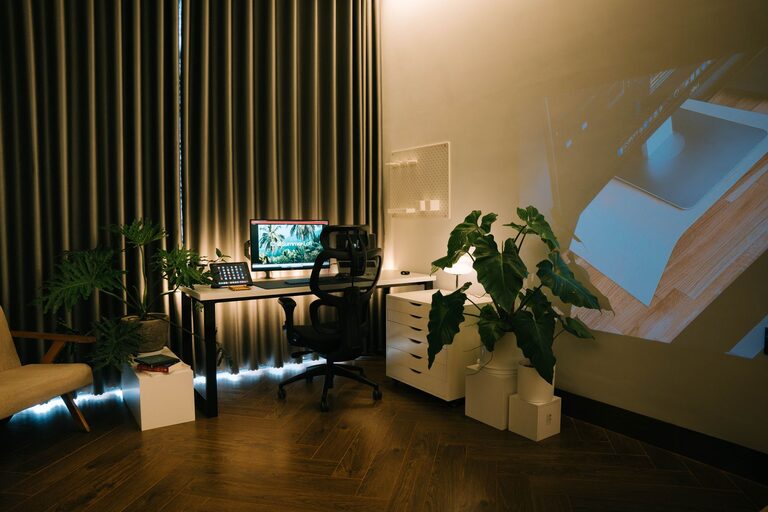
Creating a relaxing home workspace is essential for maintaining focus and reducing stress, especially as many people continue to work remotely. A well-designed workspace not only improves productivity but also supports your overall well-being. Here’s a comprehensive guide to help you transform any area in your home into a peaceful, efficient work zone.
Why a Relaxing Home Workspace Matters
When your workspace feels calm and inviting, it’s easier to concentrate and stay motivated throughout the day. Stress can build up quickly in cluttered or uncomfortable environments, leading to burnout and lowered productivity. By intentionally designing a space that promotes relaxation, you set the stage for healthier work habits and better results.
—
Step 1: Choose the Right Location
Find a Quiet Corner
Select a spot in your home that is away from high-traffic areas and distractions. This could be a spare room, a quiet corner in the bedroom, or a section of the living room. The goal is to minimize interruptions and noise.
Consider Natural Light
Position your desk near a window if possible. Natural light helps regulate your body clock and improves mood. If natural light is limited, invest in a good quality desk lamp with adjustable brightness to reduce eye strain.
—
Step 2: Prioritize Comfort and Ergonomics
Invest in a Comfortable Chair
A supportive chair is crucial. Look for one with adjustable height, lumbar support, and padding. Proper seating helps prevent back and neck pain, making long work hours more manageable.
Adjustable Desk Setup
Choose a desk that suits your needs. Some prefer standing desks or adjustable desks to alternate between sitting and standing, which can boost energy and circulation.
Maintain Proper Posture
Set your monitor at eye level and keep your keyboard and mouse within easy reach. This setup reduces strain and encourages good posture.
—
Step 3: Declutter and Organize
Keep Surfaces Clean
A cluttered desk can distract you. Only keep essential items like your computer, notebook, and a few personal touches on your desk.
Use Storage Solutions
Incorporate shelves, drawers, or desk organizers to store supplies neatly. Label containers or files to find things quickly.
Implement Cable Management
Tidy cables with clips or sleeves to keep your workspace looking neat and prevent tangles.
—
Step 4: Add Calming Elements
Choose Soothing Colors
Soft, neutral colors like light blue, green, or beige can create a calming atmosphere. Avoid overly bright or dark colors that may feel overwhelming or depressing.
Incorporate Plants
Adding greenery helps purify the air and introduces a sense of nature. Small potted plants or succulents are easy to care for and visually refreshing.
Personalize with Meaningful Decor
Include a few personal items like photos, art, or inspirational quotes that make you feel happy but don’t overcrowd the space.
—
Step 5: Control Noise and Distractions
Use Noise-Canceling Headphones
If background noise is unavoidable, noise-cancelling headphones can help you focus.
Play Soft Background Music
Some people find that gentle instrumental music or nature sounds improve concentration and relaxation.
Set Boundaries
Communicate your work hours to others in your home to minimize interruptions.
—
Step 6: Incorporate Good Lighting
Layer Your Lighting
Combine natural light, overhead lighting, and task lighting to reduce eye strain and create a balanced environment.
Choose Warm Light Bulbs
Warm white bulbs mimic natural light and create a cozy atmosphere.
—
Step 7: Maintain Your Workspace Daily
End Each Day with Tidying Up
Spend a few minutes at the end of each day putting things away and preparing for the next day.
Refresh Regularly
Open windows when possible to bring fresh air in, and wipe down surfaces to keep the area clean and inviting.
—
Bonus Tips
– Take Breaks: Step away from your workspace regularly to stretch and refresh your mind.
– Incorporate Aromatherapy: A subtle essential oil diffuser with scents like lavender or eucalyptus can enhance relaxation.
– Adjust Temperature: Make sure the room temperature is comfortable; neither too hot nor too cold.
—
Creating a relaxing home workspace takes a bit of effort but pays off in greater comfort, reduced stress, and improved productivity. By selecting the right location, focusing on comfort, keeping the area organized, and adding soothing touches, you can craft a space that supports your work and well-being every day.